Admin
06 November 2026 DIY vs. Professional Installation: Pros and Cons of Each for CCTV Systems Learn More





In today's rapidly evolving world, security has become a major concern for businesses, homeowners, and organizations. Traditional security systems are no longer sufficient to address every modern security challenge. With increasing mobility, remote operations, and the need for real-time monitoring, mobile surveillance solutions have emerged as an effective way to strengthen security and improve situational awareness.
Mobile surveillance systems allow users to monitor their properties, workplaces, construction sites, warehouses, and other important locations remotely. By combining advanced CCTV cameras, wireless connectivity, cloud-based monitoring, and intelligent security features, these solutions provide greater flexibility and control over security operations.
Whether you are managing a commercial property, protecting residential premises, or monitoring a temporary worksite, investing in the right surveillance technology can help reduce security risks and provide greater peace of mind.
Mobile surveillance solutions are security systems designed to provide monitoring capabilities from virtually anywhere. Unlike traditional CCTV systems that may depend on fixed monitoring stations, mobile surveillance allows authorized users to access live camera feeds and recorded footage through smartphones, tablets, or computers.
These systems can include wireless CCTV cameras, mobile monitoring units, remote access applications, network video recorders, and cloud-based storage solutions.
Some important features of modern mobile surveillance systems include:
Remote Video Monitoring: View live camera footage from your smartphone or computer.
Real-Time Alerts: Receive notifications when suspicious movement or unusual activity is detected.
Wireless Connectivity: Install surveillance equipment in locations where traditional wiring may be difficult.
Cloud-Based Storage: Access and manage recorded footage securely from supported cloud platforms.
Motion Detection: Identify movement and receive alerts based on configured detection settings.
Flexible Installation: Deploy cameras in commercial buildings, residential properties, outdoor areas, and temporary locations.
These capabilities make mobile surveillance a practical option for organizations that require flexible and reliable security monitoring.
Businesses face a wide range of security challenges, including unauthorized access, theft, vandalism, workplace incidents, and the protection of confidential information. A well-planned surveillance system helps organizations monitor important areas and respond more effectively to potential security threats.
Modern mobile surveillance solutions also allow business owners and security managers to monitor multiple locations without being physically present at every site.
Some important business applications include:
Monitoring office entrances, reception areas, and restricted zones.
Securing warehouses, inventory rooms, and storage facilities.
Monitoring manufacturing units and production environments.
Improving visibility across parking areas and commercial premises.
Supporting security management at construction sites.
Reviewing recorded footage when investigating incidents.
By integrating surveillance technology with access control and other security systems, businesses can establish a more coordinated approach to workplace safety and asset protection.
Home security is equally important. Homeowners want to protect their families, belongings, and properties against unauthorized entry and suspicious activities.
Mobile CCTV surveillance provides convenient monitoring capabilities that help homeowners stay connected to their properties even when they are travelling or away from home.
With a compatible mobile application, users can check camera footage, review recordings, and receive security notifications remotely.
Key residential benefits include:
Monitoring main entrances, doors, and windows.
Keeping an eye on children, elderly family members, and visitors.
Monitoring outdoor spaces, gardens, and parking areas.
Receiving alerts when configured motion detection is triggered.
Reviewing recorded footage when an incident occurs.
Managing supported cameras through a single mobile application.
A properly configured home surveillance system can improve security awareness and provide additional confidence in everyday life.
With so many CCTV products and surveillance technologies available, selecting the right system can sometimes feel overwhelming. The ideal solution depends on your property size, security requirements, installation environment, and monitoring expectations.
Before purchasing a CCTV system, consider the following factors:
Start by identifying the areas that require monitoring. Businesses may need cameras for entrances, warehouses, production floors, and parking areas, while homeowners may prioritize doors, gates, balconies, and outdoor spaces.
A proper security assessment helps determine the number of cameras and the most suitable installation locations.
Different CCTV cameras are designed for different environments and purposes.
Common options include:
Dome Cameras: Suitable for indoor environments such as offices and retail spaces.
Bullet Cameras: Commonly used for outdoor monitoring and perimeter security.
PTZ Cameras: Allow operators to pan, tilt, and zoom for wider monitoring coverage.
Wireless Cameras: Provide flexible installation where compatible network connectivity is available.
IP Cameras: Deliver digital video through network-based surveillance infrastructure.
Selecting the right camera type ensures better coverage and more effective monitoring.
Camera resolution plays an important role in identifying people, objects, and activities. Higher resolution can provide clearer footage, although actual image quality also depends on lighting, lens quality, camera placement, and network performance.
Choose a resolution that meets your monitoring requirements without unnecessarily increasing storage and bandwidth costs.
Security monitoring should continue even in low-light environments. Look for cameras with suitable infrared night vision or low-light imaging capabilities, especially when monitoring entrances, outdoor areas, parking lots, and warehouses.
If mobile monitoring is important, ensure that the CCTV system supports secure remote access through a compatible smartphone application or web interface.
Check whether the system provides live viewing, playback, notifications, and multi-camera management.
CCTV footage can be stored through DVRs, NVRs, memory cards, or supported cloud storage services.
Consider your required recording duration, available storage capacity, backup arrangements, and data retention requirements before choosing a solution.
Network-connected surveillance devices should be properly secured. Use strong passwords, update device firmware, restrict user permissions, and enable secure remote access wherever supported.
These measures help reduce the risk of unauthorized access to surveillance systems.
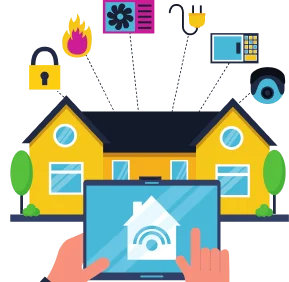
A modern security strategy should not depend on CCTV cameras alone. Integrating surveillance with other security technologies can improve monitoring efficiency and provide better control over access to important areas.
For example, CCTV cameras can work alongside access control systems to help security teams visually verify entry events. Alarm systems can notify authorized personnel when configured security conditions are triggered.
Important security integrations include:
Access control and biometric attendance systems.
Intrusion detection and alarm systems.
Fire alarm and emergency notification systems.
Video door phones and visitor management solutions.
Centralized monitoring and security management platforms.
When properly configured, these technologies can support a more comprehensive security infrastructure.
Mobile surveillance solutions are useful across a wide range of industries. Organizations with multiple locations, valuable assets, or large operational areas can particularly benefit from remote monitoring capabilities.
Some common applications include:
Corporate Offices: Monitor entrances, workspaces, meeting areas, and restricted departments.
Retail Stores: Improve visibility across sales floors, cash counters, and inventory areas.
Manufacturing Units: Monitor production environments, equipment, and restricted zones.
Construction Sites: Secure equipment, materials, and temporary project locations.
Educational Institutions: Monitor entrances, corridors, playgrounds, and common areas.
Healthcare Facilities: Support security monitoring in entrances, reception areas, and authorized operational zones.
Warehouses and Logistics: Monitor loading docks, storage areas, and transportation facilities.
Residential Communities: Improve monitoring across gates, parking spaces, and common areas.
Each industry has different security requirements, so surveillance solutions should be selected and configured according to the specific environment.
Installing a surveillance system requires more than simply placing cameras around a property. A structured planning process helps ensure effective coverage, reliable connectivity, and convenient operation.
Consider following these steps:
Conduct a Site Assessment: Identify vulnerable areas, entry points, blind spots, and important assets.
Define Monitoring Objectives: Determine whether you need live monitoring, incident recording, remote access, or all three.
Select Suitable Equipment: Choose cameras, recording devices, connectivity options, and storage based on your requirements.
Plan Camera Placement: Position cameras to provide useful coverage while respecting privacy requirements.
Configure Remote Monitoring: Set up authorized mobile access, notifications, and user permissions.
Test the System: Verify camera angles, recording quality, network connectivity, and playback functionality.
Schedule Maintenance: Regularly inspect cameras, update firmware, review storage capacity, and test system performance.
Professional installation and configuration can help avoid common issues and ensure that the system works as intended.
Choosing a CCTV system without proper planning can lead to unnecessary expenses and security gaps.
Avoid these common mistakes:
Purchasing cameras without assessing actual monitoring requirements.
Ignoring blind spots and camera placement.
Choosing inadequate storage capacity.
Overlooking internet connectivity requirements for remote access.
Using weak passwords or outdated firmware.
Ignoring maintenance and system health checks.
Failing to consider applicable privacy and data protection requirements.
A well-designed surveillance solution should balance performance, reliability, usability, and long-term maintenance costs.
Security requirements continue to evolve, and mobile surveillance solutions are becoming an important part of modern security infrastructure. From protecting residential properties to monitoring commercial facilities and industrial operations, these systems offer flexibility, remote visibility, and improved security management.
Choosing the right CCTV cameras, ensuring secure remote connectivity, integrating compatible security technologies, and maintaining the system regularly can make a significant difference in overall security performance.
Whether you need surveillance for your home, office, warehouse, retail outlet, or construction site, a carefully planned solution can help you stay informed and maintain better control over your premises.
Invest in the right surveillance technology today and take a proactive step towards a safer, smarter, and more secure future.